Why MiscaWall™?
MiscaWall is built on three fundamental design choices

Innovative material

Efficient installation

Developed and produced in the Netherlands
Designed for projects where speed, reliability and sustainability are essential
MiscaWall proves that the most responsible choice can also be the most cost-effective one. By putting material innovation at the core and translating it into ease of installation and long-term performance, MiscaWall delivers a solution that installs faster, performs longer and directly supports your client’s sustainability ambitions.
Circular, biobased and technically advanced
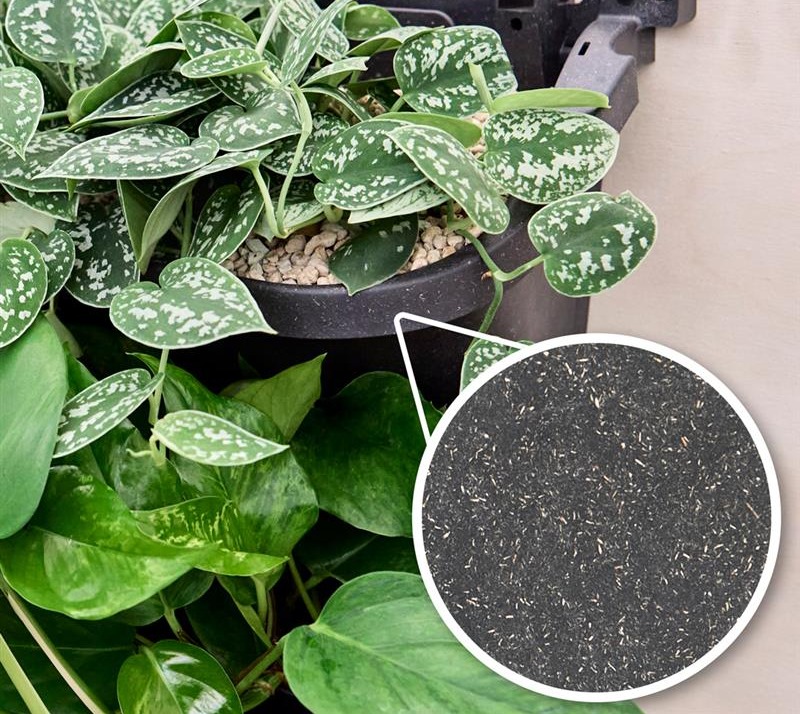
The MiscaWall Trays are manufactured from a mix of biobased Miscanthus fibres and recycled post-consumer material, resulting in a strong and stable foundation.
The use of Miscanthus leads to a direct CO₂ reduction of 0.44 kg per kg of product.
MiscaWall responds to the growing demand for sustainable solutions and forms a compelling starting point for projects in which circularity and ESG objectives are leading.
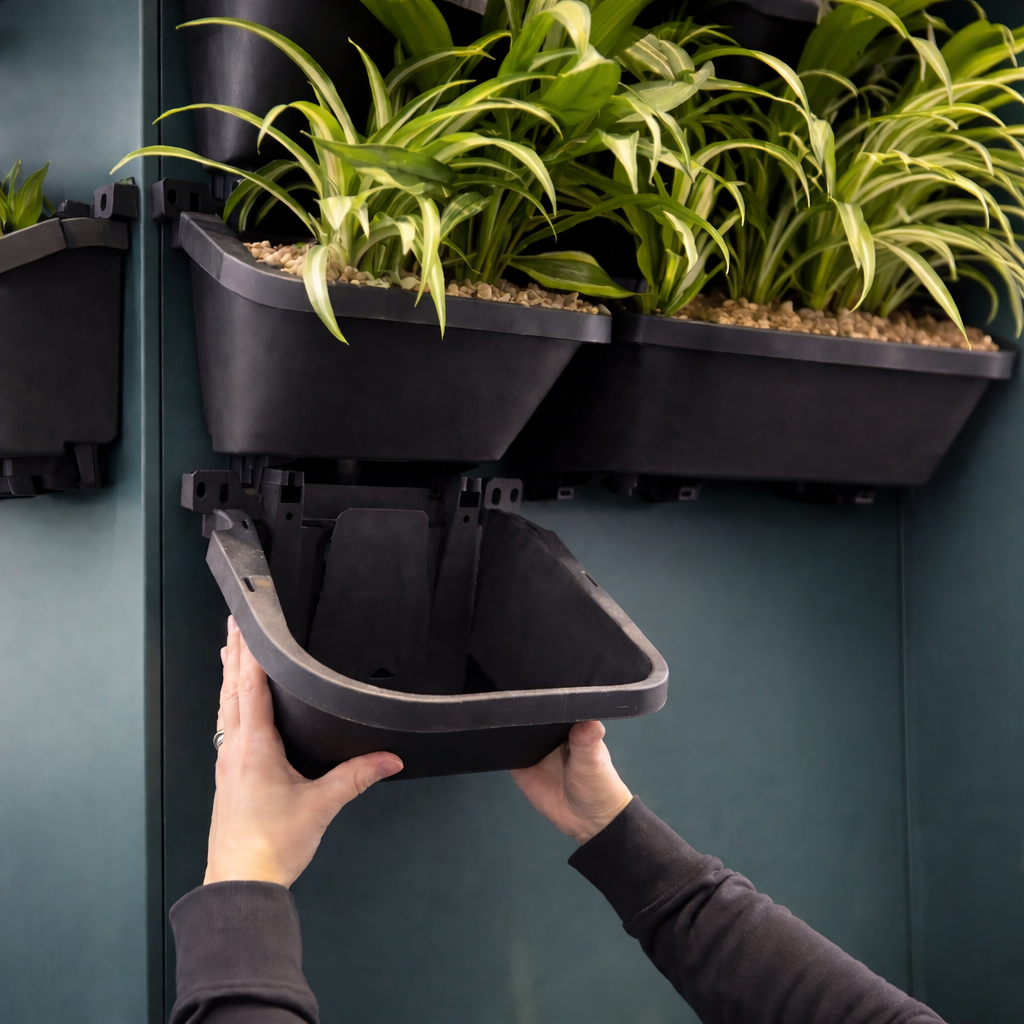
Time savings through thoughtful design
MiscaWall is designed according to the principle “tray = structure”. This reduces complexity on the project site.
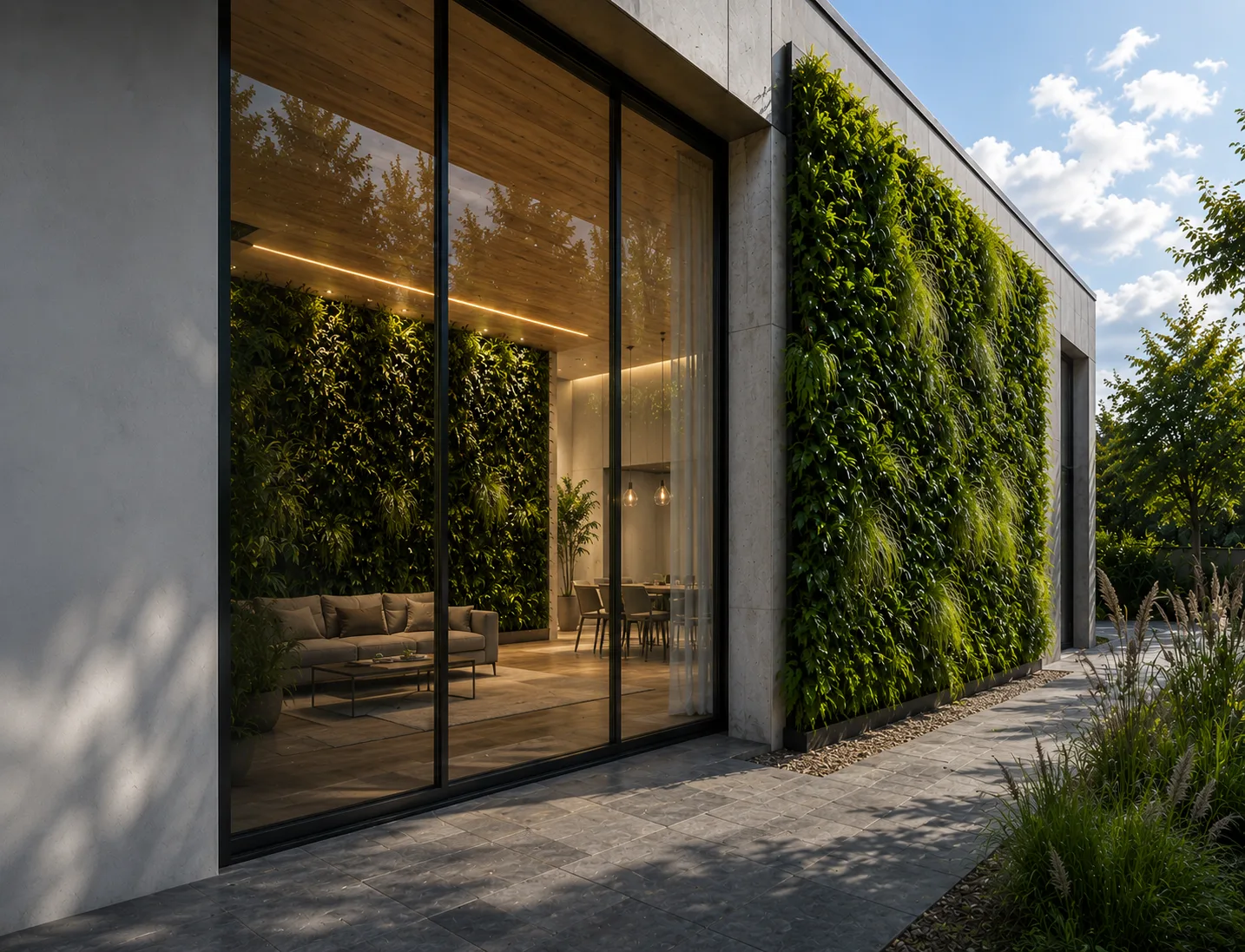
MiscaWall is designed for a wide range of applications, both indoors and outdoors, with or without an irrigation system.
The system is fully compatible with both hydroculture and pot plants.
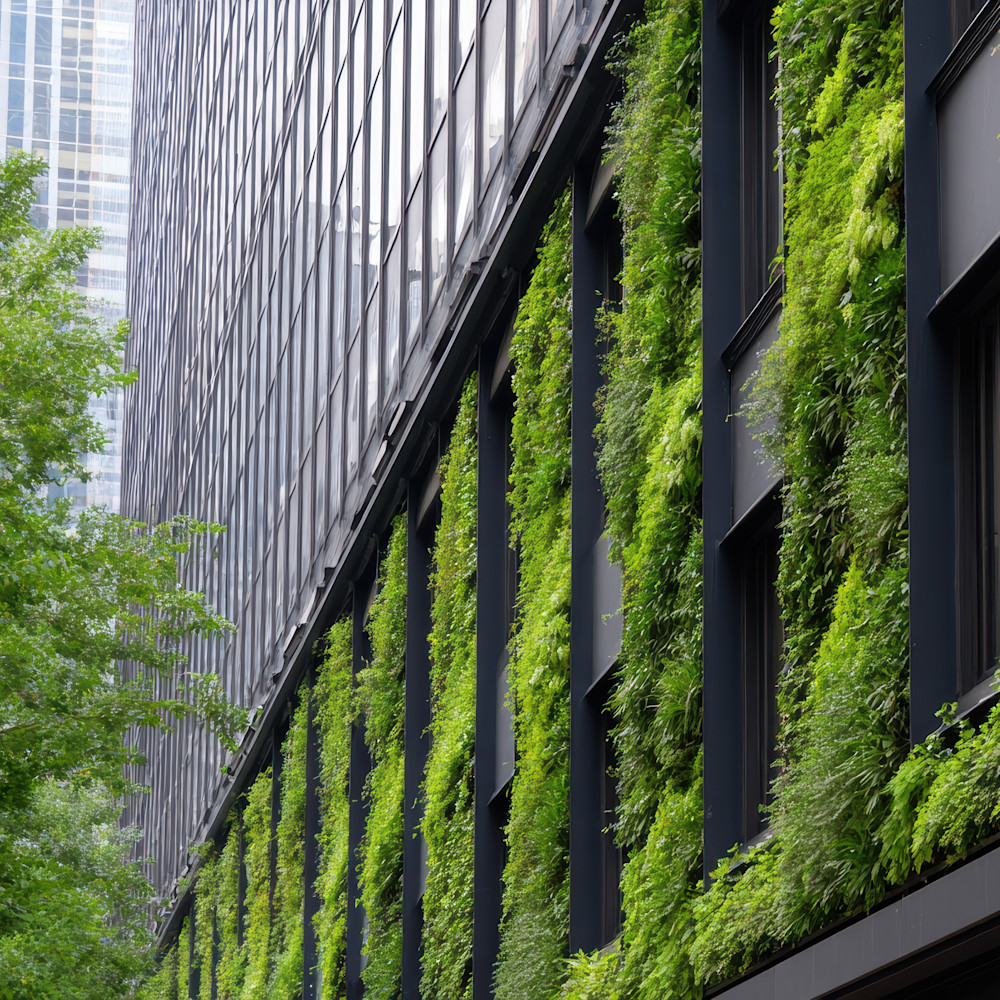
Minimal ecological footprint
MiscaWall is produced in the Netherlands. This means consistent quality, short communication lines and reliable delivery.
MiscaWall has been developed based on input from industry specialists.
Local craftsmanship and reduced transport result in a lower environmental impact.
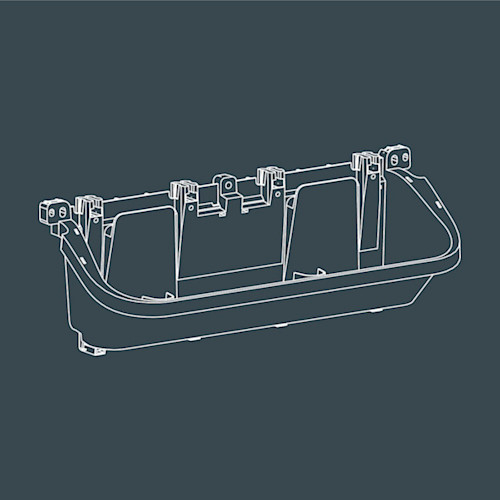
Smart details for maximum ease of use
Thanks to recesses at the rear, the tray does not sit fully flush against the wall. The resulting ventilation space prevents condensation and therefore mould formation on the wall.
The filters in the trays discharge into the tray below via an opening that distributes the water laterally. This prevents splash water from reaching the wall or flowing over the leaves of the plants.
When planting with hydroculture, the pots can be placed slightly angled at the sides of the 60 cm tray, allowing the foliage to fall neatly over the corners of the tray.
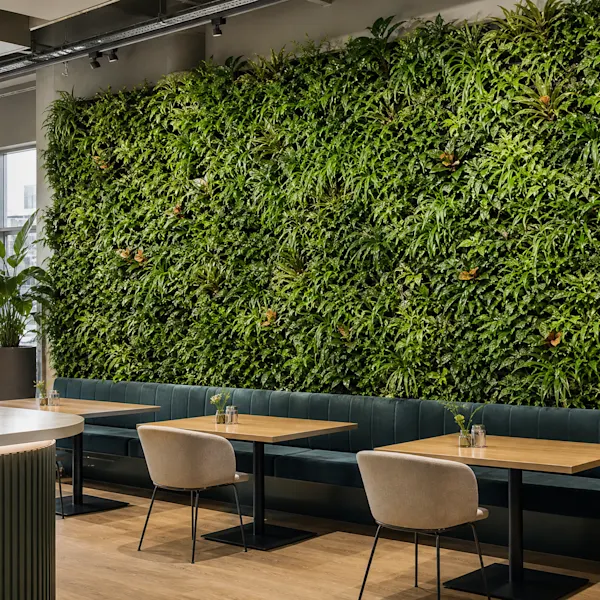
Want to quickly find out which products you need?
With the MiscaWall™ Ordering Guide, you can get a complete overview of the required products and quantities for your green wall in just 4 simple steps. Enter your wall details, such as dimensions, location and drainage method, and the Ordering Guide automatically calculates everything you need.